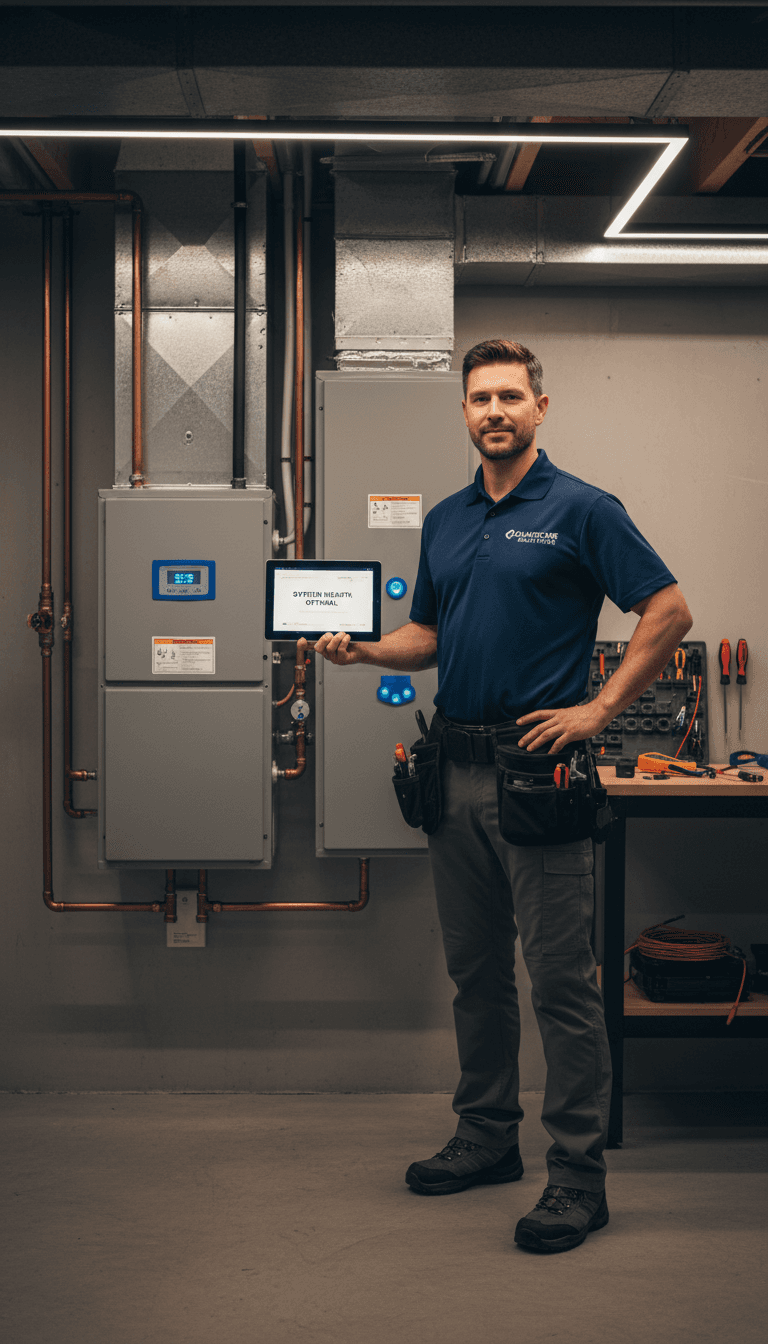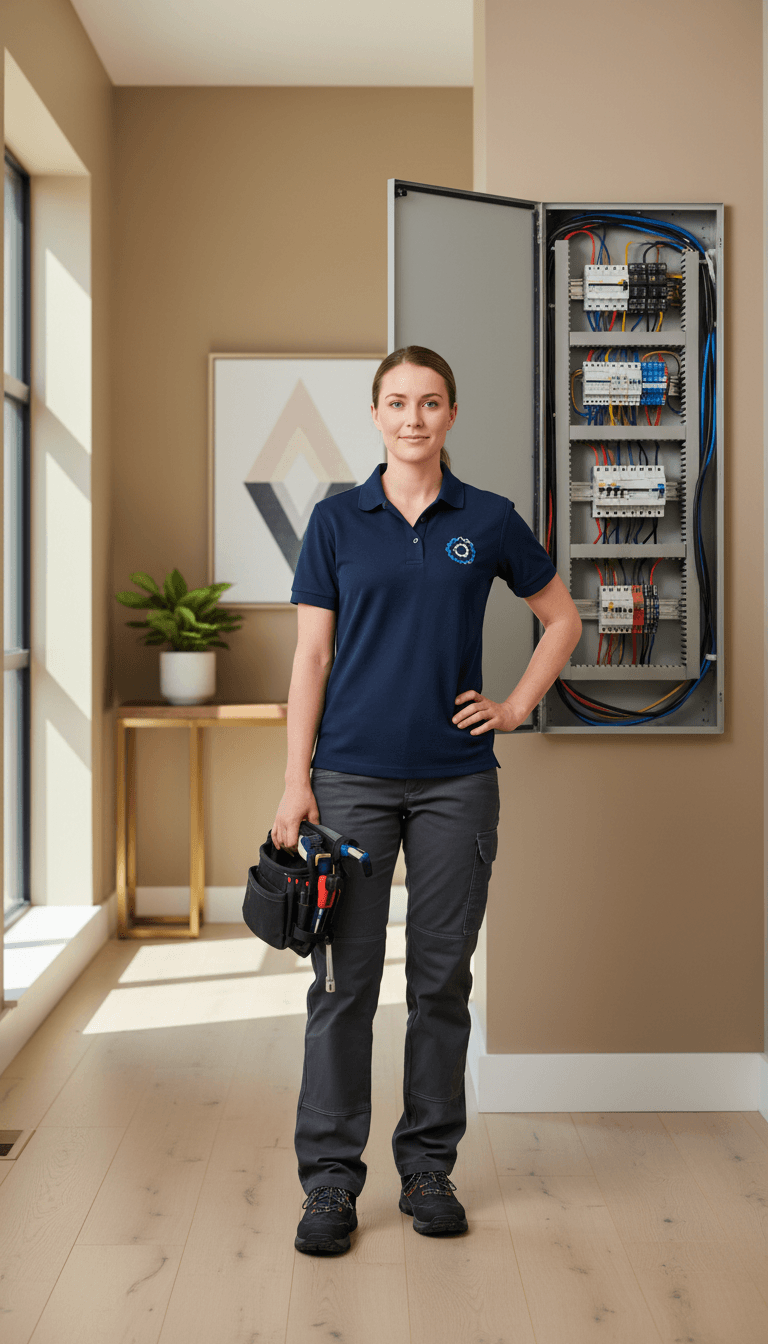
Rapid expansion of data centers and smart workshops is driving a surge in AI infrastructure skilled trades certification demand 2026 as specialized technical expertise becomes essential. Electricians and HVAC technicians are particularly well positioned to earn high salaries by using AI diagnostic tools to maintain critical digital systems. These certifications provide a competitive edge in a secure job market where human skill remains irreplaceable by automation.
Most professionals view the AI revolution as a digital threat to their job security, yet the physical reality tells a different story. The massive data centers powering these systems require complex electrical grids and high density cooling that only elite technicians can install. By 2026, general field experience will be secondary to specialized certifications. If you are not positioning yourself now, you risk being sidelined from the most lucrative infrastructure projects of the decade. This guide cuts through the hype to detail exactly which credentials you need to secure your future. We will analyze the critical roles of electricians and HVAC specialists, the necessity of IoT sensor proficiency, and why the growth of the Utah tech corridor offers a unique blueprint for trade career advancement.
The AI Reality Check: Why Robots Need Humans to Build Their Brains

Headlines frequently suggest that artificial intelligence will automate every profession, leaving human workers obsolete. While software can process data and draft reports, it cannot exist in a vacuum. The digital world relies on a physical imperative that is often overlooked. Every Large Language Model and neural network resides on physical servers that require massive data centers, high capacity power grids, and intricate industrial cooling systems. This infrastructure does not build or maintain itself.
As the industry looks toward the horizon, the AI infrastructure skilled trades certification demand 2026 projections indicate a massive shift. The next two years will see trade workers transition from support staff to the most critical component of the global tech economy. Without electricians to wire megawatts of power or HVAC technicians to manage the extreme heat generated by high density chips, the digital revolution stalls. The reality is that the more sophisticated software becomes, the more the world depends on the people who build and repair its physical housing.
This creates a sharp contrast in job security. Many middle management desk jobs face disruption because their output is purely digital and easily replicated by algorithms. In contrast, skilled trades offer a unique level of stability. A chatbot cannot navigate a crawlspace, fish wire through a complex conduit, or calibrate a high voltage transformer in the field. At Alvin Training, our career-focused education emphasizes that the brain of AI is built by human hands. By enrolling in specialized certification programs, workers can position themselves in a field where technology creates more work rather than less, ensuring they remain indispensable in a digital first economy.
The 50 Billion Dollar Surge: How Data Centers are Changing the Career Landscape
The digital cloud is actually a collection of massive, energy-hungry buildings. Tech giants like Meta, Google, and OpenAI are currently funneling tens of billions of dollars into sprawling physical sites across the country. These data centers act as the regional hubs for every AI query and cloud-based transaction. Because of this, the AI infrastructure skilled trades certification demand 2026 is reaching a fever pitch. These facilities are not just warehouses; they are some of the most complex engineering projects in modern history, requiring a density of skilled labor that the current workforce struggles to meet.
The technical requirements of a modern AI data center far exceed standard commercial construction. These sites demand sophisticated high voltage electrical systems to power thousands of high performance GPUs. Because these chips generate immense heat, the infrastructure must include massive industrial cooling units and intricate piping systems for liquid cooling solutions. This is where the opportunity lies for those pursuing career-focused education. These are not basic residential installs; they are industrial scale ecosystems that require specialized knowledge in power distribution, fluid dynamics, and environmental controls.
The scale of this surge is best understood through the labor gap it has created. According to McKinsey, the U.S. will face a shortage of approximately 130,000 electricians and 240,000 construction laborers by 2030 to meet these infrastructure demands. This massive deficit translates into significant leverage for workers. Obtaining the right certification programs allows individuals to bridge this gap, moving from general labor into specialized roles that command higher wages and greater job security.
At Alvin Training, we focus on the practical skills needed to navigate these high stakes environments. The surge in data center investment means that the primary barrier to entry is not a lack of jobs, but a lack of credentialed talent. By focusing on the certifications that prove mastery of industrial systems, students can step directly into the physical centers of the AI economy.
Essential Electrician Certifications for the AI Era
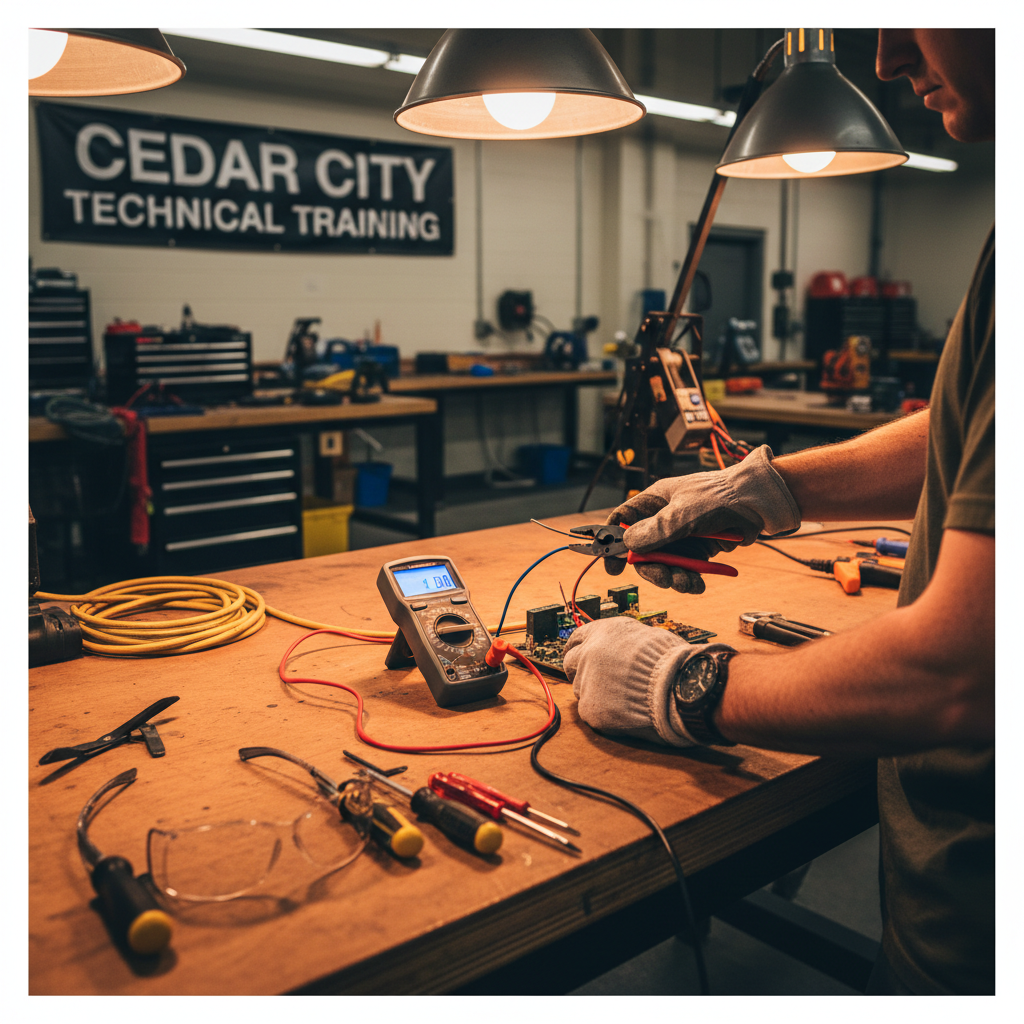
The massive investment in data centers has turned electrical work into arguably the hottest job of 2026. While the traditional path from apprentice to journeyman remains the foundation, the modern economy favors those who specialize. Industrial electrical work is no longer just about wiring a warehouse; it now involves managing the massive power loads required by AI clusters. Some young electricians entering the data center sector are already seeing significant pay increases, often outpacing their peers in residential work, because they can handle the specialized nature of these power requirements.
Success in this environment requires targeted certification programs that go beyond basic residential codes. Specialized training in high voltage systems is critical, as data centers often operate on a scale that mimics small utility grids. Additionally, certifications in renewable energy integration are becoming essential. Since tech giants are committed to carbon-neutral operations, they require technicians who can manage the interface between solar farms or wind grids and the data center's power distribution units.
By focusing on these specific niches, workers can meet the rising AI infrastructure skilled trades certification demand 2026 while building a recession proof career. At Alvin Training, we provide the career-focused education necessary to bridge the gap between general knowledge and the high level technical skills the industry currently lacks. To learn more about starting your path, you can contact Alvin Training for guidance on the most relevant credentials for today's market.
HVAC and Cooling: The Unsung Heroes of AI Hardware
While electricians provide the spark, HVAC technicians manage the consequence: extreme heat. High performance AI chips operate at such intensity that traditional air cooling often fails to suffice. This has shifted the industry toward advanced thermal management solutions, including liquid to chip cooling and large scale hydronic systems. In this high stakes environment, the AI infrastructure skilled trades certification demand 2026 is focused heavily on technicians who can handle massive BTU loads.
A standard residential background is not enough for these facilities. Aspiring technicians must secure their EPA 608 Certification as a baseline, but the real opportunity lies in specialized certification programs covering commercial refrigeration and industrial hydronics. These systems use complex piping loops and chilled water to pull heat directly from the hardware, requiring a deep understanding of fluid dynamics and pressurized systems. Unlike a home furnace repair, data center cooling involves mission critical infrastructure where a five degree temperature spike can result in millions of dollars in hardware failure or downtime.
At Alvin Training, our career-focused education helps students distinguish themselves from generalists. We focus on the precision required for industrial environments, ensuring learners understand how to maintain the massive chillers and cooling towers that define modern tech hubs. Mastering these specialized cooling technologies ensures you remain a vital asset in the physical build out of the digital economy.
Digital Skills for the Modern Tradesperson: Sensors, IoT, and AI Diagnostics

Modern trade work is increasingly defined by the integration of technology into manual labor. Statistics show that 92% of all jobs now require digital skills, a reality that has transformed the local job site into a high tech environment. Today’s technician is a new collar worker who is just as comfortable with a tablet as they are with a wrench. This evolution is driven by AI powered diagnostic tools like Bluon, which allow HVAC professionals to troubleshoot complex systems using massive databases and machine learning models in real time.
Beyond simple diagnostics, the trade worker in 2026 relies on the Internet of Things (IoT) and Digital Twins. A Digital Twin is a virtual replica of a physical system, such as a data center’s cooling loop or a facility’s electrical grid. Technicians use these models to run simulations and tests before performing physical repairs, reducing the risk of error in high stakes environments. Furthermore, predictive maintenance sensors now monitor vibration, sound, and thermal patterns to catch failures before they happen. Facilities implementing these tools often see a 5% to 15% decrease in downtime.
At Alvin Training, our career-focused education integrates these digital tools into our certification programs. Mastering these sensors and software platforms is essential for staying competitive as the AI infrastructure skilled trades certification demand 2026 continues to grow. To learn how to bridge the gap between mechanical expertise and digital fluency, contact Alvin Training for more information on our upcoming courses.
Why AI Cannot Replace Plumbers and Pipefitters
"Will plumbers get replaced by AI?" is a frequent concern as automation advances. The short answer is no. Robotics struggle with the non-linear, unpredictable environments inherent to plumbing. A robot cannot easily navigate the cramped, variable spaces of a residential crawlspace or retroactively fit new piping into a complex, legacy industrial facility. These tasks require tactile feedback and spatial problem-solving that current software cannot simulate.
This physical adaptability is particularly vital in the tech sector. As the AI infrastructure skilled trades certification demand 2026 rises, pipefitters are needed to manage high-pressure liquid cooling loops in data centers. These systems involve intricate routing through high-value server racks where a single error could cause millions in damage. Human intuition remains the primary defense against such failures. Alvin Training provides the career-focused education and certification programs needed to master these specialized environments. To explore how these skills can solidify your future, contact Alvin Training for expert guidance on your career path.
The Utah Advantage: Capitalizing on the Tech Corridor Growth
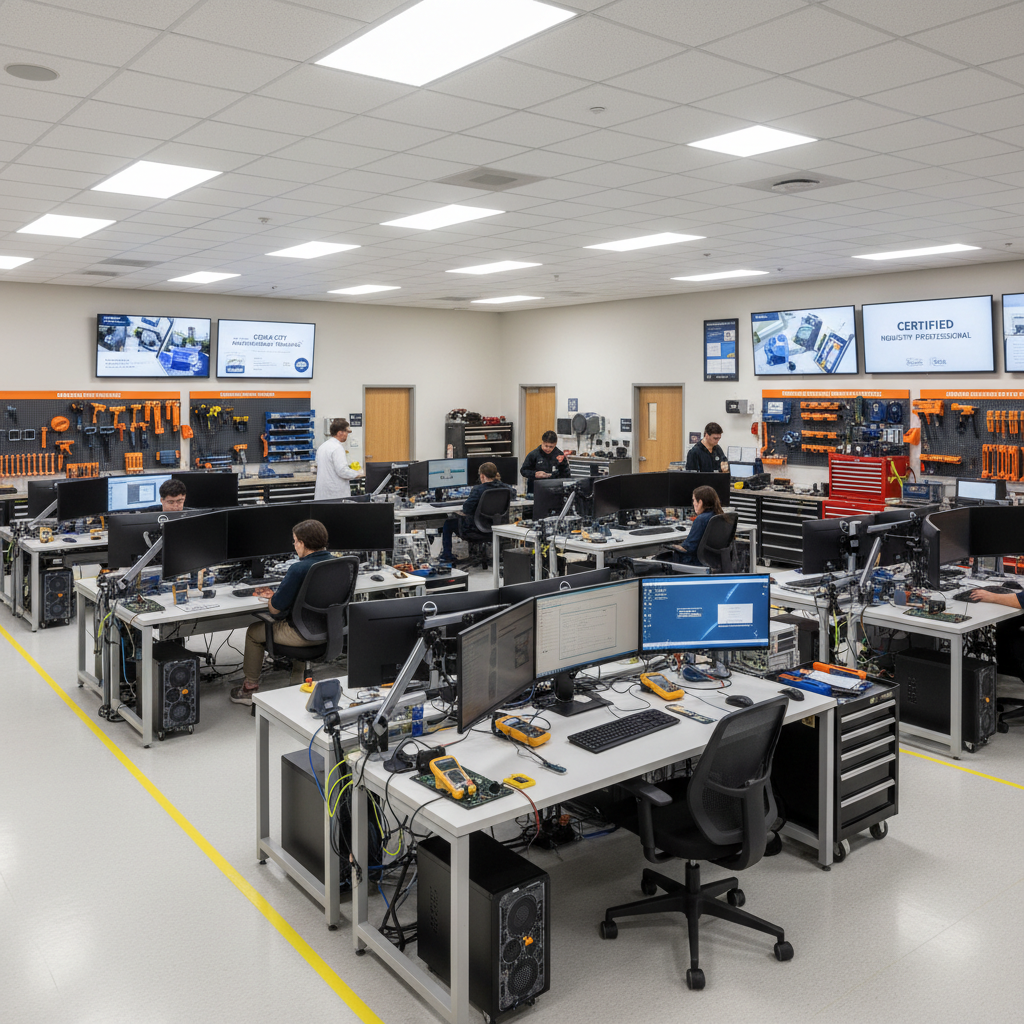
Utah has emerged as a powerhouse for data center development, driven by a favorable climate for cooling and robust energy access. Major facilities in Eagle Mountain and throughout the Wasatch Front serve as evidence that the tech corridor is expanding southward. This regional growth places Cedar City in a strategic position to supply the essential labor force. As the AI infrastructure skilled trades certification demand 2026 intensifies, local technicians no longer need to look toward coastal cities for high stakes careers. The physical foundation of the digital economy is being built right in our backyard.
Alvin Training provides the specific career-focused education required to meet these industrial standards right here in Southern Utah. Our certification programs are designed for the practical realities of the local market, ensuring that students gain hands-on experience with the high voltage and industrial HVAC systems currently being deployed across the state. By focusing on localized training, we eliminate the barrier of having to leave the state to acquire elite technical credentials.
The state’s commitment to tech infrastructure means the demand for qualified tradespeople is a long term economic fixture rather than a temporary trend. Preparing for these credentials locally allows workers to capitalize on Utah’s economic surge while maintaining a high quality of life. For those ready to transition into these specialized roles, you can contact Alvin Training to map out a training schedule that aligns with these expanding regional opportunities.
The coming infrastructure boom highlights a vital reality; the digital future is built by skilled hands. By focusing on specialized certifications today, you position yourself at the forefront of the 2026 energy and data demands. If you want expert help identifying the right training path for these emerging roles, feel free to read more about our mission and how we support tradespeople. Preparing for this shift is a journey, and we are ready to help you navigate every step of the process.