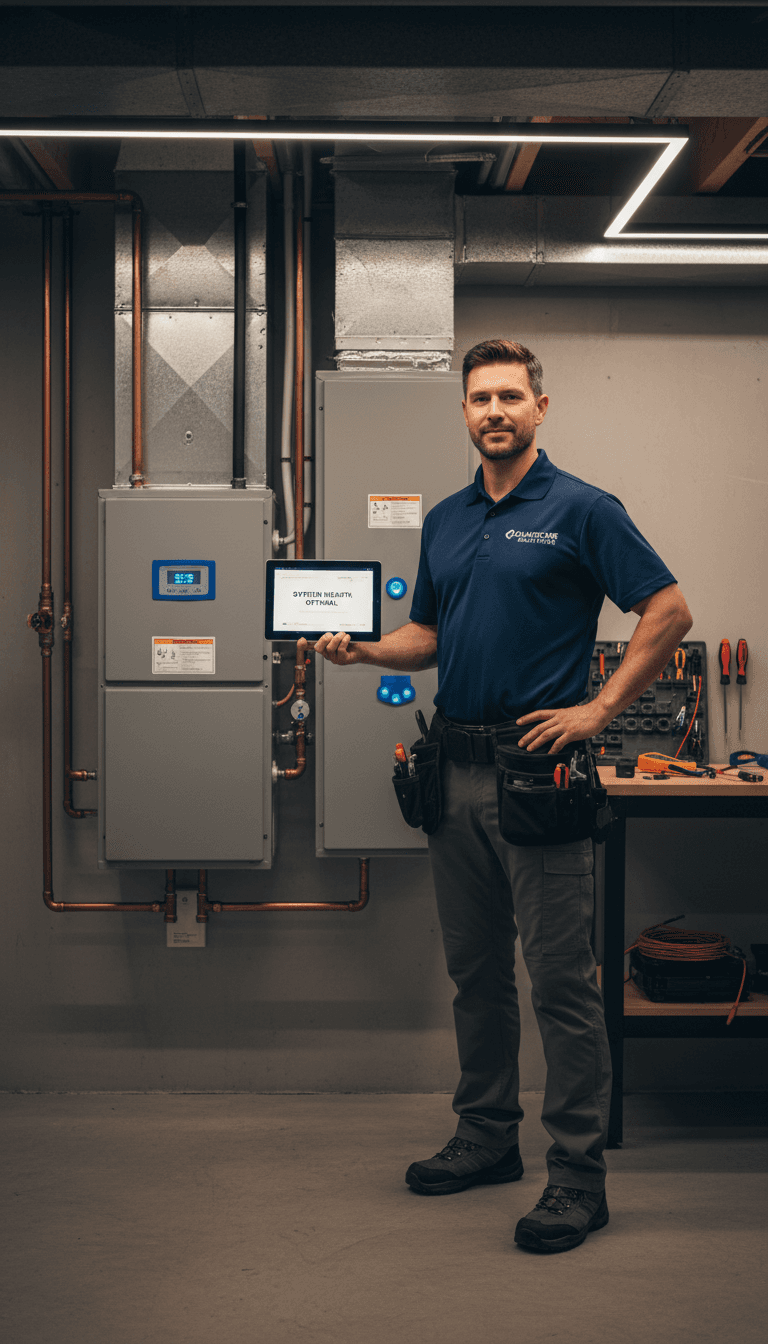
To learn how to become a plumber in Utah, you must complete a four-year apprenticeship program that includes 8,000 hours of supervised work and classroom education. After fulfilling these hours, applicants must pass a state licensing exam to earn a journeyman license; advancing to a master plumber requires an additional 4,000 hours of work and supervisory experience.
Stagnant wages and a lack of clear career progression are common frustrations for working adults across the Wasatch Front. If you are seeking a profession that provides long-term job security and high earning potential, the Utah plumbing trade remains a premier choice for 2026. However, navigating state regulations and licensing tiers can feel overwhelming without a specific plan. This guide provides a practical roadmap for entering the industry and advancing your career. You will learn the exact process for obtaining an apprentice license, the requirements for documenting 8,000 hours of field experience, and the steps to passing the journeyman examination. We also analyze current salary data for regions like Salt Lake City and St. George; additionally, we explore how AI literacy is reshaping the trade. By the end of this guide, you will have the expert knowledge needed to master the Utah plumbing market.
The 2026 Outlook for Plumbing Careers in Utah
Utah is currently experiencing a historic infrastructure boom, fueled by both residential expansion and commercial development across the Wasatch Front and Southern Utah. This growth, coupled with the scheduled retirement of a significant percentage of the state’s master plumbers, has created a critical labor shortage. For working adults investigating how to become a plumber in utah, the market conditions are exceptionally favorable. The industry is evolving beyond traditional pipe-fitting; it now demands "new-collar" workers who can navigate a landscape of digital blueprints and AI-integrated diagnostic tools.
By 2026, this technological shift will be a standard requirement for efficiency and competitiveness. Modern professionals use advanced software for thermal leak detection and project management, which increases precision while reducing material waste. This technical expertise translates directly into higher earning potential. Data indicates that plumbers in high-demand regions like Salt Lake City or Pleasant Grove can earn upwards of $80,000 annually, with top earners often exceeding that through specialized certifications and leadership roles. At Alvin Training, we provide career-focused education programs designed to meet these modern standards. Understanding the 2026 outlook is the first step toward a stable, high-paying career. To learn more about Alvin Training and our commitment to local workforce development, you can contact our Cedar City office to discuss your specific career goals.
Step 1: Obtain Your Utah Plumbing Apprentice License

The first logistical hurdle for anyone learning how to become a plumber in Utah is securing legal authorization to work on a job site. In our state, this process is managed by the Division of Professional Licensing (DOPL). Unlike some regions that require extensive pre-certification schooling before you ever touch a wrench, Utah allows you to register as an apprentice immediately. This system is designed for efficiency, enabling you to start logging the necessary work hours from your very first day on the clock.
To qualify for a Utah Plumbing Apprentice License, you must be at least 18 years old and possess a high school diploma or an equivalent credential, such as a GED. The application process involves submitting a formal registration to DOPL along with the required fee. It is critical to understand the distinction between having a license and having a job. The license is a state issued credential that legally permits you to perform plumbing work under supervision. You must have this license in hand to be on-site as a trainee, even before you secure employment with a local contractor.
Securing this license is the gatekeeper to the "Earn While You Learn" model. It ensures that every hour you spend assisting a journeyman counts toward your eventual professional certification. For working adults looking to pivot into this field, obtaining your apprentice license is the fastest way to begin a career transition. If you are looking to supplement your on-the-job training with career-focused education programs, coordinating your license with your enrollment is a vital step. You can learn more about Alvin Training to see how our structured curricula align with state requirements, or contact our Cedar City office for practical guidance on starting your DOPL application.
Step 2: Completing the 8,000 Hour Apprenticeship Requirement
Once you have your registration from the DOPL, you enter the most substantial phase of your training: the 8,000 hour apprenticeship. For a working adult, this requirement represents approximately four years of full time employment. It is not merely a box to check; it is the period where theoretical knowledge meets the physical demands of the job. In Utah, this on the job training must be paired with at least 576 hours of related supplemental classroom instruction. These classes cover plumbing codes, mathematics, blueprint reading, and safety protocols, ensuring that your field experience is grounded in technical proficiency.
The Earn While You Learn model is the primary reason this path is accessible for those changing careers. You receive a graduating wage scale, typically starting at a percentage of a journeyman’s pay and increasing as you hit specific hour milestones. This allows you to maintain financial stability while building a new professional foundation. In Southern Utah, the demand for apprentices is particularly high. Rapid residential development in Cedar City and St. George has created a consistent need for reliable labor among residential contractors. Many apprentices in our region find placements working on new housing developments, which provides a high volume of repetitive, foundational tasks that are perfect for mastering basic installations.
During these four years, your employer or a journey level mentor must verify your hours. Maintaining a detailed log is essential, as this documentation is required when you eventually apply for your journeyman exam. At Alvin Training, we understand that balancing 40 hours of work with classroom requirements is a significant commitment. Our career-focused education programs are designed to provide the structure necessary to succeed in these academic components. If you are researching how to become a plumber in Utah and want to understand how to align your work schedule with your education, you can learn more about Alvin Training or contact our Cedar City office to discuss local apprenticeship opportunities.
Step 3: Testing for Your Journeyman Plumber License
After accumulating the required 8,000 hours of field experience and finishing your related classroom instruction, you move toward the most critical milestone in your career: the Utah Journeyman Plumber exam. Successfully passing this exam transitions you from a supervised learner to a credentialed professional. The testing process, administered through the Division of Professional Licensing (DOPL), is divided into two distinct parts: a theory portion and a practical portion. The theory exam is computer-based and tests your command of the International Plumbing Code (IPC), safety regulations, and complex trade mathematics. The practical exam requires you to demonstrate manual proficiency in a controlled shop environment, where you must correctly assemble piping systems, perform soldering, and show mastery of venting configurations.
Earning your journeyman license fundamentally changes your daily responsibilities and your market value. As a journeyman, you are authorized to work independently on residential or commercial job sites without the direct oversight of a master plumber. While this license allows for professional autonomy, it does not grant you the right to pull building permits or operate your own plumbing business; those privileges remain reserved for master plumbers and licensed contractors. However, the financial rewards are immediate. Research indicates that journeyman plumbers in Southern Utah, particularly in the St. George area, earn a median wage of approximately $31.63 per hour. This salary jump reflects your increased expertise and the responsibility you carry on a job site.
For adults navigating how to become a plumber in utah, the transition to journeyman status is where the investment in career-focused education programs pays off. Specialized exam preparation can significantly reduce the risk of failure on the theory section. You can learn more about Alvin Training to see how our curricula target these specific testing requirements, or contact our Cedar City office for resources on the journeyman application process.
Advancing to Master Plumber: Requirements and Supervisory Hours
Reaching the rank of Master Plumber represents the peak of professional achievement in the Utah trades. According to Utah Admin Code R156-55c-302a, this elite designation requires a minimum of 4,000 hours of work experience as a licensed journeyman, paired with an additional 4,000 hours of documented supervisory experience. For professionals planning how to become a plumber in utah with the goal of business ownership, these supervisory hours are vital. They demonstrate an ability to manage complex job sites, lead multi-person crews, and maintain rigorous code compliance across large-scale residential or commercial projects.
The transition to Master Plumber is the primary path for those seeking entrepreneurship. This licensure allows an individual to apply for a contractor license, enabling them to pull building permits and operate an independent plumbing firm. Beyond technical skill, this stage requires mastering the administrative essentials, such as securing professional liability insurance and understanding contractor bonding requirements. At Alvin Training, our career-focused education programs are designed to support this advancement by fostering the leadership and organizational skills necessary for the modern market. You can learn more about Alvin Training or contact our Cedar City office to discuss how to structure your career path toward this ultimate professional milestone.
Utah Plumber Salary Guide: Salt Lake City vs St George
Financial stability is a primary motivator for anyone evaluating how to become a plumber in utah. Compensation varies significantly based on regional demand and the specific type of work performed. In Northern Utah, particularly the Salt Lake City metro area, the average annual salary for a plumber is approximately $71,712. This reflects the high density of commercial projects and complex infrastructure repairs required in the state’s urban core. In contrast, the St. George market, driven largely by rapid residential expansion and new construction, shows a median journeyman wage of $62,200.
Region | Role Level | Average/Median Salary | Top Hourly Rate |
|---|---|---|---|
Salt Lake City | Average | $71,712 | $65.50+ |
St. George | Journeyman Median | $62,200 | $52.00+ |
Pleasant Grove | Top 10% | N/A | $89.25 |
While these base figures are impressive, they typically represent standard 40 hour work weeks. Total compensation often climbs much higher when you factor in overtime, performance bonuses, and emergency service premiums. For example, top earners in Pleasant Grove can reach hourly rates as high as $89.25 during peak demand periods. In Southern Utah, the consistent influx of new residents creates a steady stream of service and installation work, providing ample opportunities for journeymen to increase their take-home pay through specialized calls.
Earning these higher wages requires more than just years on the job; it requires technical precision and a deep understanding of modern code. At Alvin Training, our career-focused education programs help students build the foundational skills that justify these top tier pay scales. To learn more about Alvin Training and how we support career growth in the Cedar City and St. George regions, you can contact our Cedar City office for personalized information on local industry trends.
Modern Plumbing: Why Tech and AI Literacy Matter in 2026

The plumbing industry in 2026 demands more than physical strength and manual dexterity. As you research how to become a plumber in utah, you will find that the highest earners are those who master the new-collar technical requirements of the trade. Modern job sites in Cedar City and beyond now rely on digital blueprints accessed via tablets, allowing for real-time updates and seamless coordination with other contractors. AI-powered diagnostic tools have also revolutionized leak detection; acoustic sensors and thermal imaging software now use machine learning to identify structural weaknesses before they become catastrophic failures.
Efficiency in the field is further driven by project management software that tracks material inventory and labor hours in real time. Alvin Training integrates these technologies into our career-focused education programs to ensure students are prepared for this digital shift. We focus on teaching you to use the wrench alongside the software. This dual proficiency significantly increases your employability, as contractors prioritize workers who can leverage technology to reduce waste and improve accuracy. If you want to see how we bridge the gap between traditional trades and modern technology, you can learn more about Alvin Training or contact our Cedar City office to discuss the specific digital tools included in our curriculum.
Common Questions About Becoming a Utah Plumber
Navigating the specifics of how to become a plumber in Utah often leads to questions about the long term ceiling of the profession. One frequent inquiry is whether plumbers truly earn $200,000 a year. While this is not the average salary for an entry level apprentice or a standard journeyman, it is an achievable milestone for Master Plumbers who transition into business ownership or specialize in high stakes industrial systems. Success at that level requires a blend of trade mastery and the business acumen we emphasize in our career-focused education programs.
Another common concern is the duration of the training. You should expect the process to take approximately four years. This timeline is dictated by the State of Utah requirement for 8,000 hours of on the job experience. Because this is an "earn while you learn" model, you are not waiting four years to start your career; you are building it from day one while receiving a paycheck. Consistency in logging your hours and completing your supplemental classroom instruction is the fastest way to reach licensure.
Is the demand actually as high as reported? Yes. Utah is currently facing a significant shortage of skilled tradespeople. The combination of an aging workforce retiring and the rapid expansion of residential and commercial sectors in Cedar City and St. George means that licensed professionals are in high demand. This shortage provides job security and gives you leverage when negotiating wages or choosing employers. If you are ready to begin this journey, you can learn more about Alvin Training to see how our curricula align with state standards, or contact our Cedar City office to ask specific questions about local licensing and enrollment.